





After a long day, there's nothing better than climbing into bed for some deep, restful sleep. Yet so many of us struggle to drift off—and stay asleep. Sometimes it's a racing mind; often, it's something far simpler and easier to fix: light.
A sliver of streetlight through the curtains, a partner's reading lamp, an early summer sunrise, or the glow of a standby light can be enough to keep your brain on alert. A sleep mask solves that in the simplest way possible, by giving you total darkness wherever you are.

How light affects your sleep
Your body runs on an internal 24-hour clock—the circadian rhythm—and light is its most powerful cue. When your eyes sense darkness, your brain releases melatonin, the hormone that tells your body it's time to sleep. When light hits your eyes, melatonin production drops and you feel more awake.
The catch is that even low levels of light can interfere with this process. You don't need a bright room to disrupt your rest; ambient light from screens, windows, or hallway bulbs can be enough to delay sleep and pull you out of deeper sleep stages. By blocking that light completely, an eye mask helps your brain stay in "night mode" all the way through the night.
Benefits of sleeping with an eye mask
A good sleep mask does far more than just dim the room. Here's what consistent darkness can do for your rest:
You fall asleep faster
With no light to keep your brain alert, melatonin flows more freely and you nod off sooner, which is especially helpful if you struggle to switch off at bedtime.
You sleep more deeply
Blocking light doesn't just help you fall asleep; it helps you stay asleep. Darkness supports longer, less interrupted time in the deep and REM stages, where your body and mind do most of their recovery—so you wake up feeling genuinely rested.
You can create darkness anywhere
A sleep mask is portable blackout you can take with you: on a red-eye flight, in a hotel with thin curtains, during daytime sleep after a night shift, or in a bedroom you share with someone who likes the light on a little longer than you do.
It's gentle on your eyes and skin
A well-designed, contoured mask blocks light without pressing on your eyes or lashes, so there's no uncomfortable pressure—just soft, weightless darkness.

Does an eye mask really help you sleep?
It's a fair question, and the answer is yes for most people. Because the mechanism is so straightforward (less light means more melatonin), the effect is reliable. Research has linked wearing an eye mask to falling asleep faster, spending more time in restorative sleep, and even feeling sharper and more alert the next day. And unlike sleep aids, it's completely natural, non-habit-forming, and works from the very first night.
Who benefits most from a sleep mask
Almost anyone can sleep better in true darkness, but a mask is especially worth it if you:
- Travel often. Planes, trains, and unfamiliar hotel rooms are rarely dark enough.
- Work night shifts or sleep during daylight hours.
- Are a light sleeper who wakes at the smallest change in the room.
- Live somewhere bright, with city lights, long summer evenings, or a partner who reads late.
- Are a new parent grabbing rest whenever you can.
How to choose a sleep mask
Not all masks are equal, and the right one makes all the difference between something you'll actually wear and something that ends up on the nightstand. Look for:
- True blackout coverage that seals out light around the nose, where most masks leak.
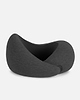
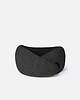
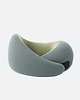
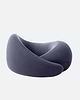
- A contoured, 3D shape rather than a flat pad. It lifts the fabric off your eyes so you can blink freely and avoid pressure, which is far more comfortable, especially for side sleepers.
- An adjustable, no-snag strap that stays put without digging in.
- Breathable, washable fabric that feels soft against the skin.

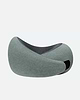
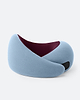
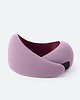
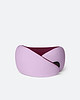
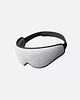
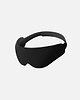
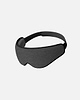
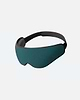
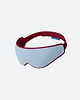
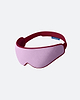
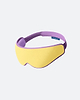
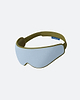
Our blackout Eye Mask was designed around exactly these principles—a fully contoured, 100% blackout fit that stays comfortable all night. You can see it and the rest of our rest-ready essentials in the sleep mask collection.
Frequently asked questions
Are eye masks good for sleeping?
Yes. By blocking light, an eye mask helps your body produce melatonin, so you fall asleep faster and stay in deeper sleep longer. It's a simple, natural way to improve sleep quality.
Do eye masks actually help you sleep?
For most people, yes. Less light means more melatonin, which is why masks reliably help with falling asleep and staying asleep—and the effect works from the first night.
Is it OK to sleep with an eye mask every night?
Absolutely. A well-fitting sleep mask is safe for nightly use. Choose a contoured design that blocks light without pressing on your eyes, and wash it regularly to keep it fresh.
Are sleep masks bad for your eyes?
No, as long as the mask fits comfortably. A flat mask that presses on your eyes can feel uncomfortable, which is why a contoured, 3D shape that leaves room to blink is the better choice.
Can you wear an eye mask as a side sleeper?
Yes. A slim, contoured mask with a flat, adjustable strap sits comfortably against the pillow, so it stays in place whether you sleep on your back or your side.
Great sleep often comes down to the basics, and few are as easy as switching off the light your eyes can still see. Slip on a comfortable blackout mask, and give your brain the darkness it needs to truly rest.